
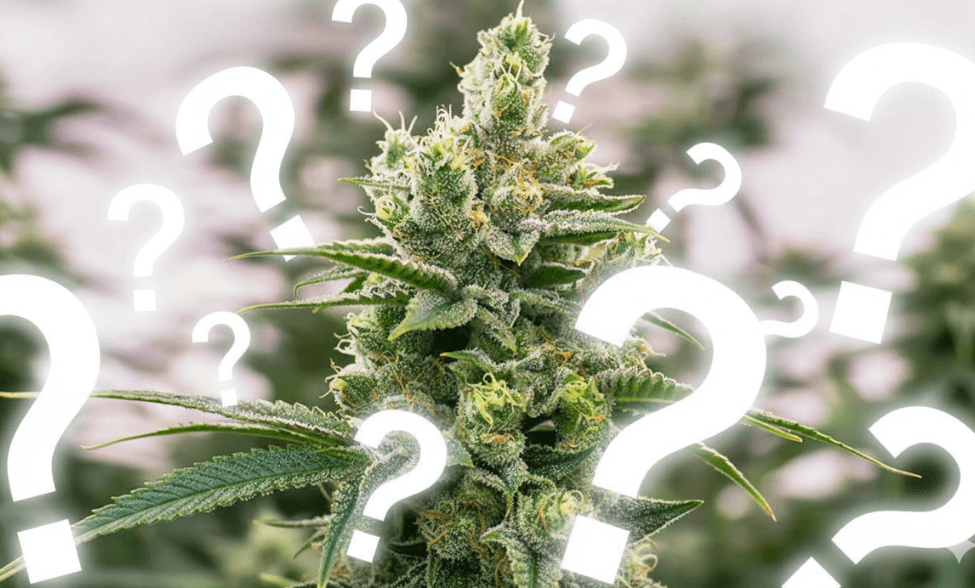
The question, “What is THC?” You’re not alone! THC, or tetrahydrocannabinol, is a widely recognized compound derived from the cannabis plant. Whether you’re diving into cannabis products for the first time or simply looking to learn more, understanding THC is key to unleashing the potential benefits it can provide.
Table of contents:
- Key Takeaways
- Understanding THC: A Brief Overview
- What is THC, and Where Does It Come From?
- Different Forms of THC: Isomers and Compounds
- The Legal Status of THC: What You Need to Know
- THC vs. CBD: Everything You Need to Know
- THC and Its Presence in Cannabis Products
- Role of THC in the Cannabis Plant
- How THC Is Used: Methods and Popular Products
- Final Takeaway
Key Takeaways
- Cannabis contains the psychoactive ingredient THC.
- It binds to receptors in the brain and other parts of the body, causing a range of effects.
- THC comes in several forms, including oils, edibles, and tinctures.
- THC’s legal status varies according to location and other factors.
- THC is very different from other up-and-coming CBDs, a cannabis compound.
Understanding THC: A Brief Overview
So, what is THC, exactly? The primary psychoactive constituent in cannabis is THC. When ingested, it binds to both the brain and body receptors, hence developing the characteristic “high” with which marijuana use is associated. In addition to its psychoactive properties, THC has a range of therapeutic uses that we will discuss later in this article.
But THC isn’t the only compound found in cannabis. In fact, it is part of a greater class of compounds, called cannabinoids, that interact with the body’s ECS, or endocannabinoid system, a network of receptors and neurotransmitters that regulate a great many physiological processes. The ECS plays an essential role in how THC affects the body.
What is THC, and Where Does It Come From?
THC is naturally occurring in cannabis plants, mainly from the female cannabis plant. It is synthesized by the trichomes found on the flowers, leaves, and stems. A resin rich in cannabinoids is secreted by these glands, including THC and CBD. At Gummys Manufacturer, we ensure our THC-infused products are made with the finest ingredients for a premium experience.
While cannabis has been used for thousands of years, both recreationally, medicinally, and industrially, the isolated study of THC did not begin until the 20th century. In the 1960s, Israeli scientist Raphael Mechoulam and his colleagues were the first to isolate and synthesize THC, paving the way for a deeper understanding of its properties.
Different Forms of THC: Isomers and Compounds
There’s more to THC than a joint or flower. Actually, THC comes in different forms, each having its own unique characteristics.
- Delta-9 THC: The most common type of THC. Among cannabis’s psychoactive compounds, it produces the “high.”
- Delta-8 THC: It is an isomer of Delta-9 THC, so it’s pretty similar chemically but a little different. Delta-8 THC is often said to create a less potent high than that of Delta-9, with many people finding their experiences more relaxed and mellow.
Just a few examples of the many isomers and compounds found in cannabis are highlighted here, each interacting with the body’s endocannabinoid system in a special way.
The Legal Status of THC: What You Need to Know
So, is THC legal? The legality of THC is dependent on the place one inhabits. There are some places where cannabis (and THC) is legal for recreational and medicinal use. In other areas, it’s only allowed for medical uses with a prescription, while in some regions, it’s completely illegal.
THC is not allowed in some states of the United States, while it is permitted in others. Despite the fact that states have generally legalized cannabis, federal law still classifies cannabis as a controlled substance, making it illegal even in states that have legalized cannabis. Because many people find it confusing, you should check your local laws before buying or consuming THC.
THC vs. CBD: Everything You Need to Know
If you’ve heard of THC, you likely have also heard of CBD. But what’s the difference between the two? While both THC and CBD are cannabinoids, the two have very different effects on the body: THC is psychoactive; it affects the brain and creates the “high” associated with cannabis.
However, CBD is non-psychoactive. It does not produce a high itself, although it can have other potential benefits, such as anti-inflammation or anxiety relief.
Both interact with the body’s endocannabinoid system, but they bind to different receptors and have different effects. Unlike THC, CBD is often sought after for its potential therapeutic benefits.
THC and Its Presence in Cannabis Products
If you’re considering, “How do I find THC in cannabis products?”, look no further.
THC is found in many cannabis products, including:
- Flower: The classic cannabis flower is often smoked or vaporized, containing a wide array of THC levels depending on the strain.
- Edibles: THC can be found in gummies, chocolates, and beverages. THC takes longer to take effect when consumed in edible form, but produces longer-lasting results.
- Concentrates: THC concentrates, such as wax, shatter, and oils, are highly concentrated forms of THC. These are most often used in dabbing or vaping.
- Tinctures and oils: These are liquid cannabis extracts that can be taken sublingually, or under the tongue, to accelerate the absorption of THC.
- Topicals: Some THC-infused lotions and creams are used for localized relief and do not produce a “high” because they don’t enter the bloodstream in significant amounts.
Role of THC in the Cannabis Plant
Now that we understand what THC does, let’s look into its function in the cannabis plant.
THC is a part of the defense mechanism in a plant. The plants produce THC, among other cannabinoids, to help them fight against pests, UV rays, and other stressors in the environment. In this case, THC acts as the natural pesticide and sunscreen for the plant.
THC also helps the plant reproduce. A flowering female cannabis plant produces more of the substance to attract pollinators so it may reproduce successfully.
How THC Is Used: Methods and Popular Products
One might wonder, “What’s the best way to take THC? There are several ways to consume THC, each with its own pros and cons.
Here are some of the most popular:
- Smoking/Vaping: This is one of the common ways of THC intake: smoking or vaping cannabis flower. Its effects are nearly immediate but not as long-lived as edibles. Edibles are a great option for those looking for a longer experience. Edibles like gummies, chocolates, and beverages that are THC-infused take some more time to set in, but ultimately stay in the system for hours.
- Tinctures are the liquid cannabis extracts taken sublingually, under your tongue. The tincture is a discreet and easy way of consuming THC with no smoking or vaping involved.
- Concentrates: THC concentrates are really strong and can be consumed by means of dabbing or vaping. Although these provide a more intense experience, they may not be suitable for beginners.
If you are looking for a convenient and enjoyable way to consume THC, you may want to consider a Gummy Manufacturer. Their THC-infused gummies are an excellent and effortless way to experience the effects of THC, whether you are a seasoned veteran or a complete beginner.
Final Takeaway
THC is a very potent cannabinoid that provides a wide array of both recreational and therapeutic effects. Knowing its legal status, forms, and ways of consumption will help one proceed with the exploration of the variety of products comprising THC. Whether one wants to relax, relieve pain, or merely learn more, THC offers an experience for many people.
Would you like to learn more about “What is THC?” Please contact our customer service team at info@creatingbetterbrands.com or 1 (800) 215-0223. The Gummy Manufacturer Expert Support Team is ready to help you. Learn more about THC in our blog section and get answers to all your questions.
Leave a Reply